Traditions, craftsmanship, works of art, and architectural monuments will be included in the registry of Cultural Heritage (BIC) of the Community of Madrid. Several procedures have been initiated this week to grant this category in the region. The esparto spinning, the parish of the Assumption of Our Lady in Valdemorillo, the Roman villa of Getafe, and the painting of Samson and the Lion by Peter Paul Rubens will acquire this consideration in the coming weeks.
Esparto spinning has been the main socioeconomic support for a significant part of the population of Madrid until the 1960s when the mechanization of agricultural tasks and the predominant position in the market of synthetic materials led to its abandonment. Villarejo de Salvanés and Colmenar de Oreja are two regions where this technique was highly relevant, «constituting one of the main means of subsistence,» explains the regional administration.
Industrial processes and the use of other materials reduced the production of esparto products. «This knowledge is threatened by the objective lack of generational succession and the lack of economic performance,» which is why the regional government has decided to grant it this protection as a Cultural Heritage of the Intangible Heritage of the region.
Spinning was traditionally a feminine practice. By pounding the plants against a stone surface and moistening them with water, the fibers were obtained. The material is extracted from two different plants: atocha (fine esparto) and albardín (coarse esparto); the southeastern area of the Community of Madrid, where this traditional technique has developed and is preserved, is a semi-arid steppe area, rich in atochales and albardines, where the raw material can be easily harvested.
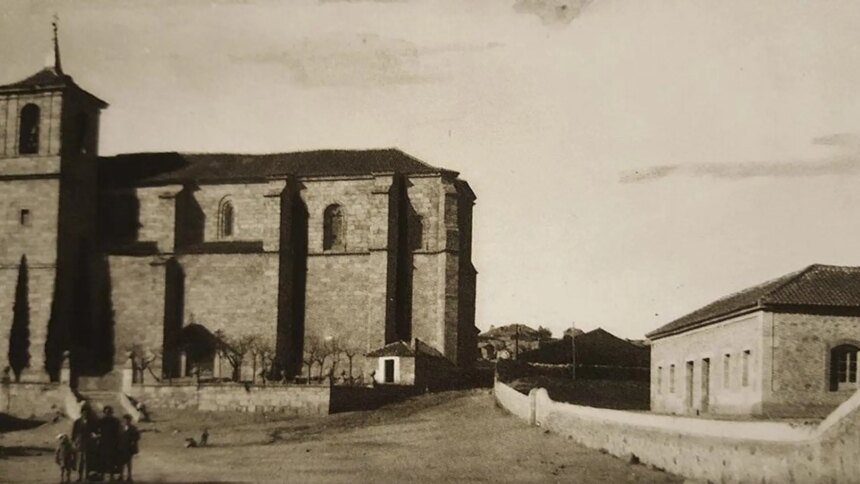
Iglesia de la Asunción de Nuestra Señora
On Church Square 1 in the municipality of Valdemorillo, stands the parish church Church of the Assumption of Our Lady. Built in the late 16th century, it is an example of Castilian late Gothic architecture. «The documentation has allowed the attribution by specialists of the construction of the apse to Juan Campero El Viejo, one of the prominent masters of the Ávila school,» specifies the administration file. The church still serves as a meeting point in the town, where parishioners regularly attend mass.
In addition to this architectural work, the Roman villa of Getafe, La Torrecilla, will also be included in the regional BIC catalog. The archaeological remains correspond to a rural Roman estate consisting of residential and domestic rooms, associated with the necropolis known as El Jardinillo, about 200 meters from the villa.
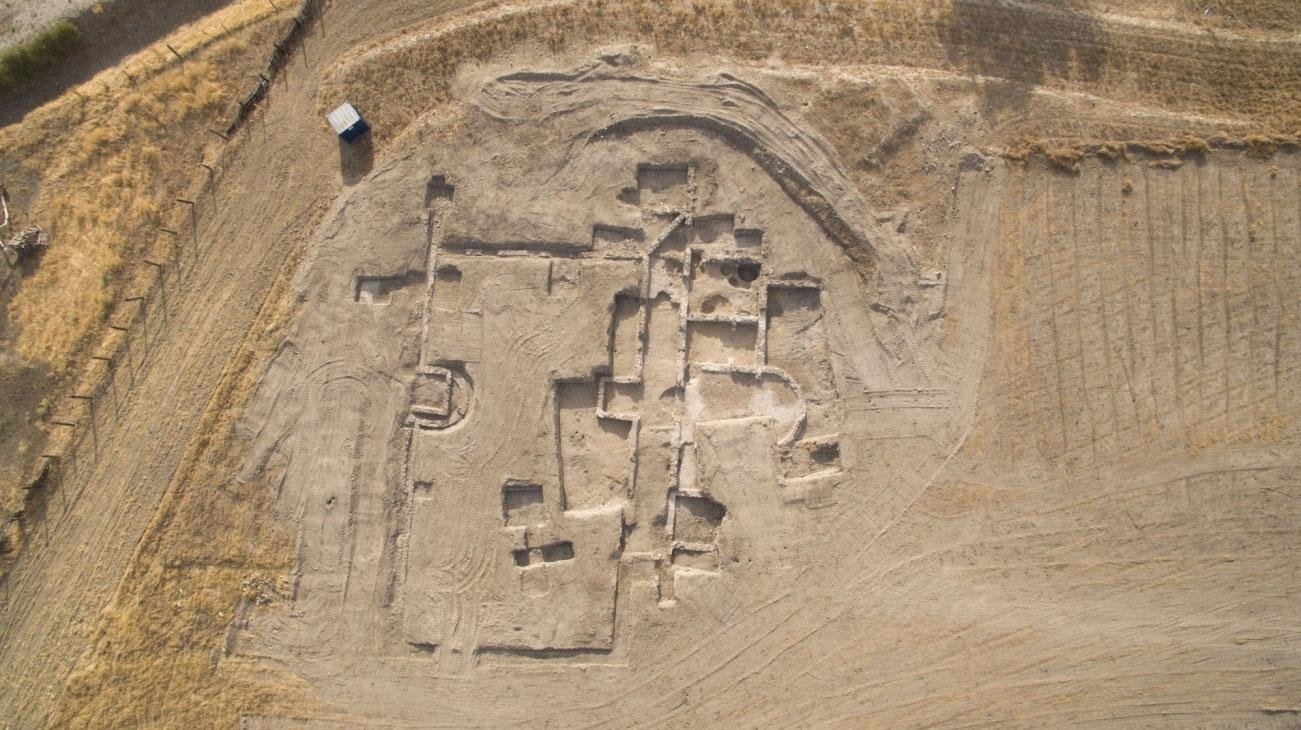
The organization of this settlement follows the typical model of the eastern Mediterranean, characterized by being organized around a courtyard and stands out as one of the few examples of a Roman villa of this type in the Community of Madrid. It is also interesting because the chronostratigraphic sequence indicates continuity from the early imperial period to the late antique period, with the rarity of villas enduring over three centuries.
The archaeological complex has a level two of urban protection. The declaration of BIC in its category of Archaeological Zone emphasizes the protection of this space and highlights its historical significance. Among the reasons given by the Ministry of Culture, Tourism and Sport for granting this status, it is mentioned that «the located materials are of notable importance, highlighting mosaics, stuccos (some with illegible graffiti), gypsum slabs with floral and geometric decoration, well-preserved ceramics (Terra Sigillata). It is also one of the few sites where mother-of-pearl has been located.»

In addition to these locations, the painting Sansón y el león by Pedro Pablo Rubens will also be a BIC. The Baroque painter’s work was part of the Royal Collection, «decorating one of the most significant representation spaces, the New Hall of the Royal Alcazar of Madrid, illustrating Felipe IV’s taste for collecting and good artistic relations with Flanders.» Among the justifications cited by the administration for granting this category is that Rubens «combines the influence in heroic forms of Classical Antiquity and the realism of the Nordic tradition.»