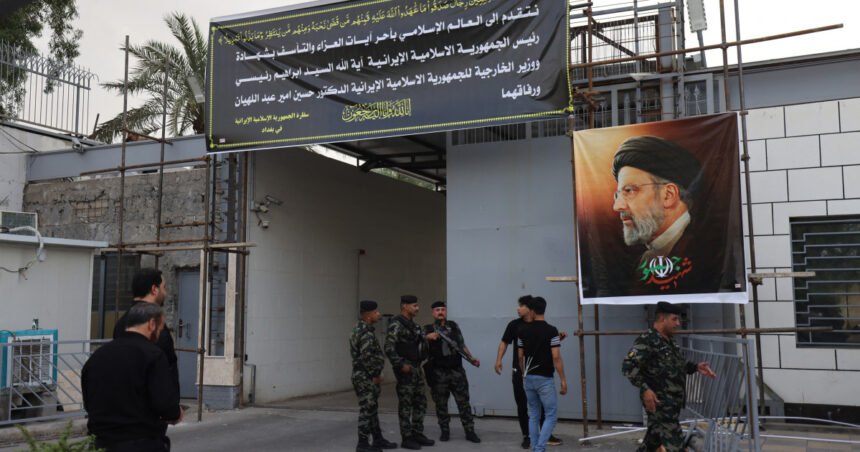
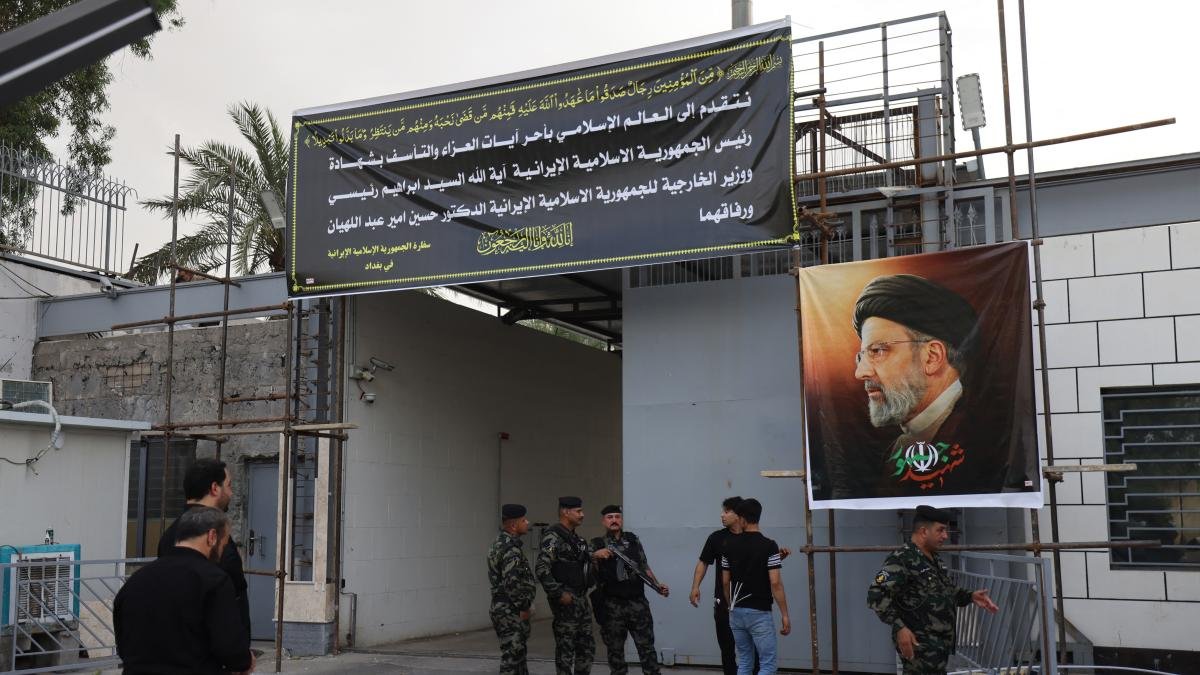
Iran will hold presidential elections on June 28 to elect a new president following the death of Ebrahim Raisí in a helicopter accident with eight other people. The registration of electoral candidates will take place from May 30 to June 3, while the electoral campaign will be held from June 12 to June 27, as reported by the Tasnim agency.
Candidates who submit their candidacies must pass the veto of the Guardian Council, a body formed by 12 members, six jurists, and six clerics, which reviews the legislation adopted by Parliament and participates in the organization of elections. Until then, the current first vice president, Mohamad Mojber, will lead the Iranian government, after it was approved by Iran’s Supreme Leader, Ali Khamenei, on Monday. Mojber must hold elections within 50 days, according to the Iranian Constitution.
Raisí died on Sunday in a helicopter accident in East Azerbaijan province due to a technical failure, although the aircraft was found on Monday due to the difficulties in rescue operations caused by bad weather. Also killed in the accident were the Foreign Minister, Hosein Amir Abdolahian, the governor of East Azerbaijan, Malik Rahmati, the leader of Friday prayers in the city of Tabriz, Mohammad-Ali Al-Hashem, as well as two pilots of the aircraft, a flight attendant, the head of presidential security, and a guard.
The ultraconservative Raisí came to power in the 2021 presidential elections, which had the lowest turnout in the history of the Islamic Republic at 48.8%, and after most reformist candidates were voted out. The elections will now take place amid strong discontent among the population over the poor economic situation and social repression, especially towards women, with the new campaign to reintroduce the use of the veil.
In the recent parliamentary elections in March, the lowest turnout was recorded, with the lowest participation in the 45 years of the Islamic Republic when only 41% of the electorate went to the polls. The Islamic Republic has always attached great importance to the high number of votes as proof of its legitimacy and popular support.